01 · PRACTICAL GUIDANCE
Follow the setting and the employer’s instructions
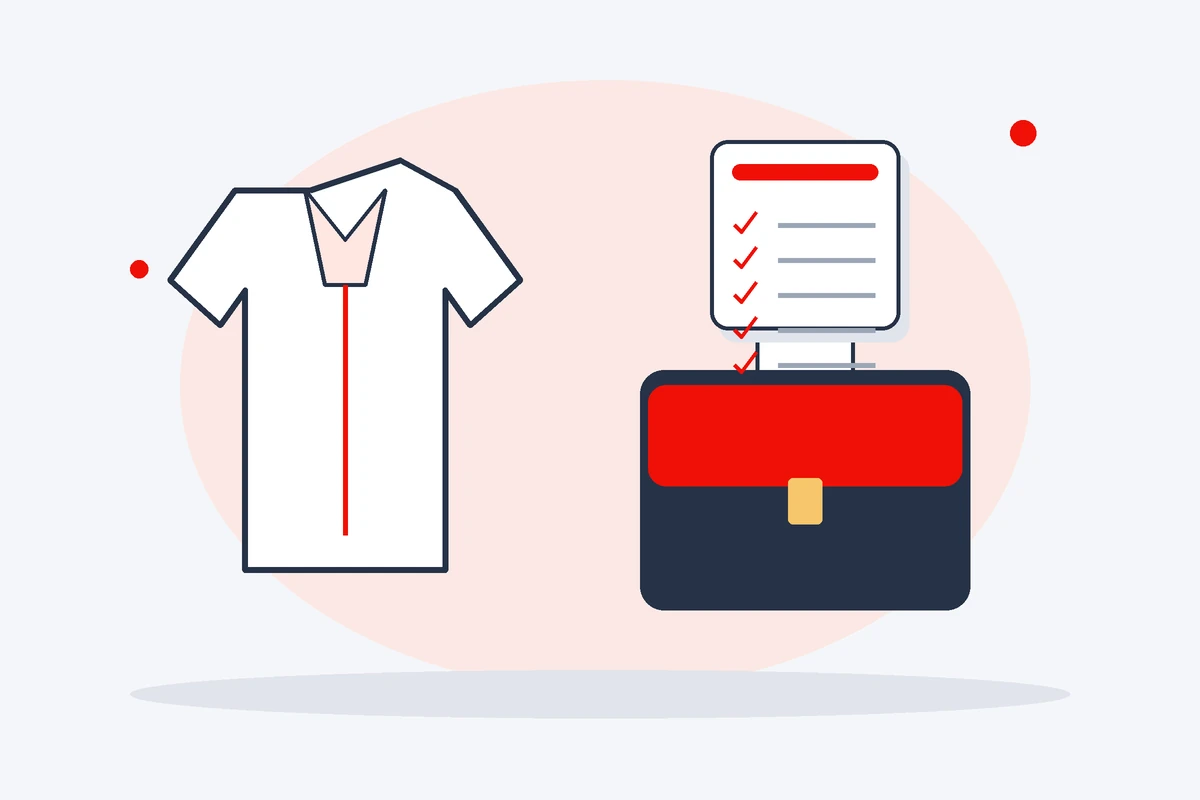
If a dress code is provided, follow it. Otherwise choose clean, comfortable, well-fitting clothing suitable for a professional conversation. A simple formal or business-appropriate outfit can work without expensive brands. Consider the role, venue, climate and cultural preferences; do not assume one style is the only professional option.
- Check the outfit for comfort when sitting, walking and presenting.
- Keep footwear clean and suitable for the venue.
- Choose accessories that will not interfere with the task.
- Prepare the outfit in advance rather than making the decision while rushing.
02 · PRACTICAL GUIDANCE
Keep grooming and belongings practical
Arrive with a neat appearance, an organised document folder and the items requested in the invitation. Avoid an overloaded bag, noisy accessories or strong fragrance in a shared interview space. If you need an accessibility or other practical arrangement, raise it through the recruiter’s stated contact route.
- Carry the requested documents in a clear order.
- Check names and details on printed copies.
- Keep a pen and a small notebook where appropriate.
- Silence notifications before entering the meeting.
03 · PRACTICAL GUIDANCE
Use natural, respectful body language
Greet the interviewer, listen to instructions and sit in a comfortable, attentive position. Use natural eye contact appropriate to the conversation and your comfort; do not turn it into a staring exercise. Gestures can support an explanation when they are not distracting. A handshake is not required in every setting—follow the other person’s lead and local practice.
- Listen fully before answering.
- Keep your posture comfortable and attentive.
- Avoid repeatedly checking your phone or the clock.
- Ask before placing documents or equipment in the interviewer’s workspace.
04 · PRACTICAL GUIDANCE
Prepare the video-interview view
Check how the chosen clothing appears on camera, with the light coming towards your face rather than from directly behind you. Use a stable camera position and a background that does not expose private information. Test the microphone and close distracting windows. Keep any permitted reference notes concise.
- Check the visible frame before joining.
- Use the correct display name.
- Know how to mute and unmute.
- Explain a technical interruption calmly and use the agreed backup contact if necessary.
05 · PRACTICAL GUIDANCE
Treat the whole visit professionally
Be courteous to coordinators, reception staff and other candidates. Follow reporting and waiting-room instructions, respect private conversations and avoid commenting on someone else’s performance. After the interview, leave the space as requested and record your own learning privately.
- Arrive with enough time for the venue’s entry process.
- Ask a coordinator if an instruction is unclear.
- Do not photograph confidential displays or documents.
- Use a brief, relevant follow-up message where appropriate.
PUT IT INTO PRACTICE
Your next useful task
Prepare an interview-day setup the evening before: outfit, documents, travel or meeting link, device checks and contact information. Ask a peer to check the camera view and whether the documents are easy to find.
Practice tools on this page
Use these prompts directly while preparing. Write your own responses in a notebook, discuss them with a practice partner, and review your next action.
Interview day checklist
- Clothing: clean, comfortable and suitable for the stated setting.
- Footwear and documents prepared.
- Travel route / meeting link / reporting contact confirmed.
- Requested document copies checked and organised.
- Notifications silenced.
- Video: stable camera, clear audio, suitable lighting and background.
- Allow time for the venue’s entry process.
- Follow reporting and waiting-room instructions.
- Keep a concise preparation sheet; use only permitted references.
Questions about dressing & professional etiquette
Do I need an expensive outfit?
No. Suitability, cleanliness, comfort and following the employer’s instructions are more useful priorities than brand or price.
Is a suit required for every interview?
No. Requirements vary by employer, role and setting. Follow a stated dress code or choose a simple professional option appropriate to the situation.
What if I need a practical adjustment?
Contact the recruiter through the official route and explain the arrangement you need to participate in the interview.