Understanding the challenge
Restate the goal, constraints and available resources before acting. Ask useful clarification questions and identify what a successful response should achieve.

Certificate Programs
Build the habit of exploring alternatives, explaining a choice and working constructively with others. Learners solve practical challenges where the process and reflection matter as much as the final answer.

LEARNING FOCUS
Creative Problem Solving & Teamwork connects core concepts with guided application. The outline below is a discussion framework; the final syllabus is agreed for your learners.
Restate the goal, constraints and available resources before acting. Ask useful clarification questions and identify what a successful response should achieve.
Use sketches, alternatives and what-if questions to move beyond the first suggestion. Combine useful parts of several ideas without dismissing a quieter team member.
Agree responsibilities and a simple decision process. Practise sharing information, inviting input and asking for help when a task becomes unclear.
Compare options against the goal and constraints. Try a small version of the idea, observe its performance and make a reasoned adjustment.
Separate criticism of an idea from criticism of a person. Use evidence and respectful questions to resolve a difference or test competing suggestions.
Explain what the team learned about the challenge and about working together. Choose a behaviour to use in the next classroom project.
PRACTICE & FEEDBACK
A team challenge portfolio with alternative ideas, test observations, agreed roles and a reflection on collaboration.
GETTING STARTED
No specialist knowledge is needed. Challenge complexity and physical participation are adapted to the group.
Review the problem-solving record, participation, use of feedback and the explanation of team decisions.
The institution and trainer agree the final rubric, attendance requirement and feedback format before delivery.
FOR YOUR INSTITUTION
School students learning through structured collaborative challenges.
Workshop, modular course or institutional pathway. Hours and batch structure are agreed after the needs discussion.
Confirm prerequisites, trainer availability, venue, equipment and any specialist supervision needed for practical work.
Agree attendance, practical tasks, feedback and certificate terms in writing before delivery.
This is an introductory, enquiry-led skill development pathway. Confirm current availability and certificate terms with Sieger Academy. It does not imply external accreditation, a regulated qualification, a professional licence or a placement guarantee.
YOUR QUESTIONS
School students learning through structured collaborative challenges.
Understanding the challenge, Generating and combining ideas, Team roles and participation, Choosing and testing an approach, Constructive disagreement, Reflection and transfer.
A team challenge portfolio with alternative ideas, test observations, agreed roles and a reflection on collaboration.
No specialist knowledge is needed. Challenge complexity and physical participation are adapted to the group.
Discuss a workshop, a modular course or a longer institutional pathway. The delivery mode, hours and trainer availability are confirmed in your proposal.
Review the problem-solving record, participation, use of feedback and the explanation of team decisions.
Yes. Share the batch profile, current skill level, language preferences and learning objectives so the proposed activities and examples can be adapted.
Requirements depend on the final learning plan. Confirm room layout, display and audio equipment, devices, software, workshop space or outdoor arrangements before booking.
Certificate availability, the issuing organisation, attendance requirement and assessment criteria must be confirmed in the proposal. No external accreditation or professional licence is implied.
Email info@siegergroups.com with your institution name, creative problem solving & teamwork requirement, learner profile, batch size, preferred dates and location.
CONTINUE EXPLORING
Certificate Programs
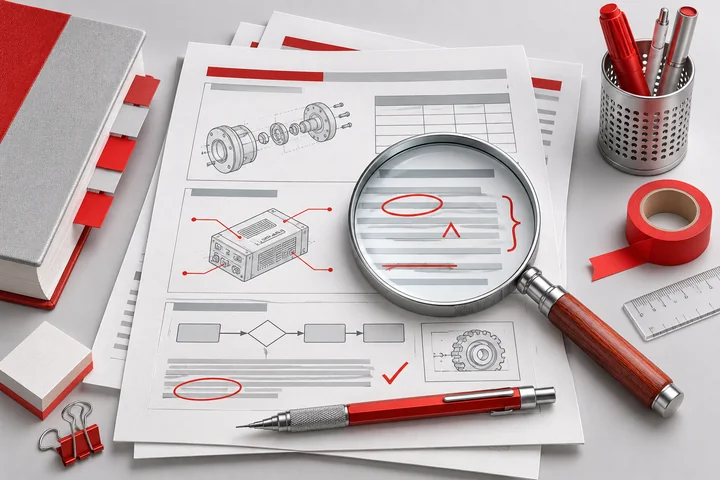
Technical Editing connects Audience and document purpose with Language consistency and style sheets. Build subject knowledge through guided tasks and work towards an edited technical document with an accompanying style sheet.
Explore the program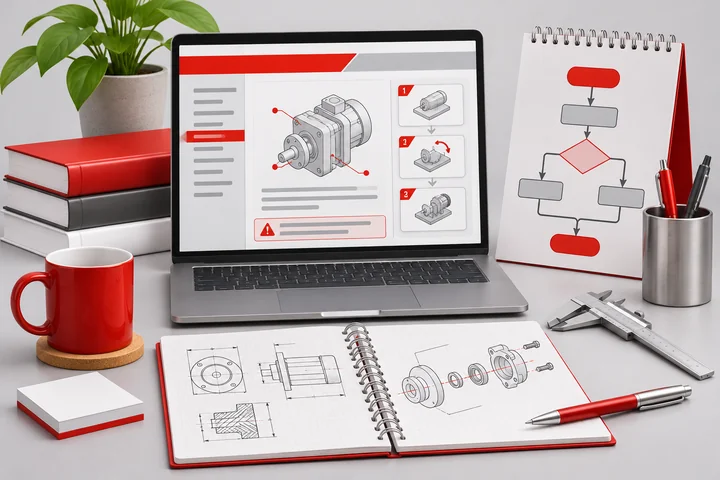
Certificate Programs
Technical Writing connects Audience analysis and task design with Instructions and information structure. Build subject knowledge through guided tasks and work towards a user guide or procedure tested against a sample user task.
Explore the program
Certificate Programs
Practise the communication tasks that help students contribute professionally: a concise email, a useful meeting update, a clear presentation and a constructive response to feedback.
Explore the programLET’S BUILD YOUR LEARNING PLAN
Tell us the audience, learning priorities, batch size and preferred dates. Let’s shape the next step together.
ENQUIRE WITH SIEGER ACADEMY
Share your institution, learner profile, training priorities and preferred dates. We’ll discuss a programme that fits your students and academic calendar.
Enquiries are handled through our Academy form. Privacy information