Players, goals and experience design
Define the intended player, central objective and desired experience. Distinguish a theme from the mechanics that make the game interesting to play.

Certificate Programs
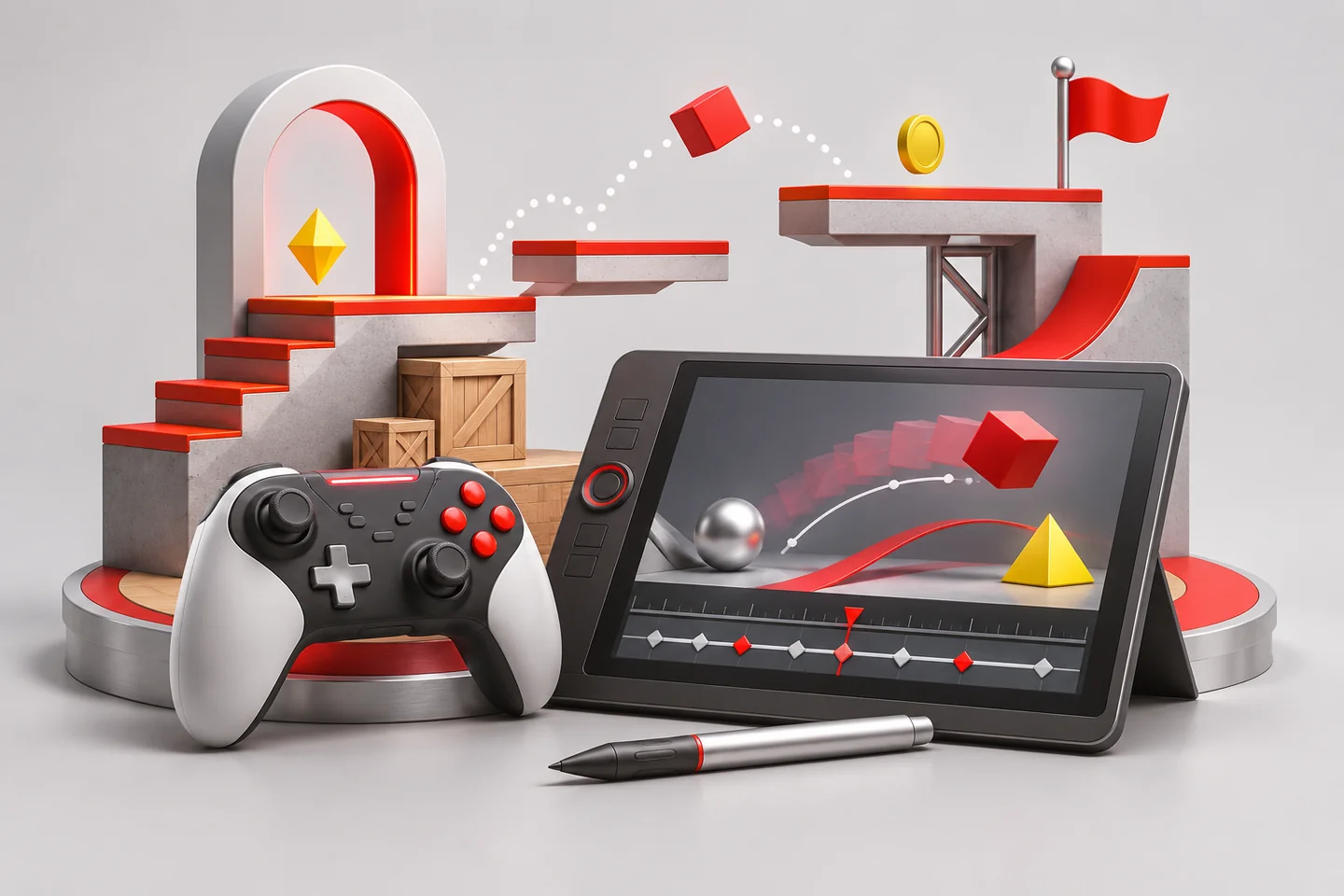
Design an interactive experience around clear rules, meaningful choices and player feedback. Learners build a small prototype, observe playtests and improve the experience using evidence from actual use.
LEARNING FOCUS
Game Design & Interactive Experiences connects core concepts with guided application. The outline below is a discussion framework; the final syllabus is agreed for your learners.
Define the intended player, central objective and desired experience. Distinguish a theme from the mechanics that make the game interesting to play.
Specify what a player can do, what changes and how progress is shown. Explore challenge, reward and the information needed to make a meaningful choice.
Map the first experience and a short sequence of tasks. Plan instructions, difficulty progression and a way for the player to recover from a mistake.
Create a paper or digital prototype using the agreed tools. Implement the core interaction before adding optional features or visual polish.
Observe players without continuously explaining the rules. Record confusion, unintended strategies and points of disengagement, then prioritise changes.
Present the prototype, rules and test findings. Discuss accessibility, respectful representation and design choices that support a positive player experience.
PRACTICE & FEEDBACK
A playable game or interactive prototype with a design brief, rules, playtest findings and revision notes.
GETTING STARTED
Basic computer literacy for digital prototypes. Coding requirements depend on the agreed tool; paper prototypes can introduce the design process.
Assess clarity of rules, quality of interaction, usability and the evidence behind design changes.
The institution and trainer agree the final rubric, attendance requirement and feedback format before delivery.
FOR YOUR INSTITUTION
College students exploring game design, interactive media and user experience.
Workshop, modular course or institutional pathway. Hours and batch structure are agreed after the needs discussion.
Confirm prerequisites, trainer availability, venue, equipment and any specialist supervision needed for practical work.
Agree attendance, practical tasks, feedback and certificate terms in writing before delivery.
This is an introductory, enquiry-led skill development pathway. Confirm current availability and certificate terms with Sieger Academy. It does not imply external accreditation, a regulated qualification or a professional licence.
YOUR QUESTIONS
College students exploring game design, interactive media and user experience.
Players, goals and experience design, Rules, choices and feedback loops, Level and interaction planning, Prototype implementation, Playtesting and iteration, Portfolio and responsible design.
A playable game or interactive prototype with a design brief, rules, playtest findings and revision notes.
Basic computer literacy for digital prototypes. Coding requirements depend on the agreed tool; paper prototypes can introduce the design process.
Discuss a workshop, a modular course or a longer institutional pathway. The delivery mode, hours and trainer availability are confirmed in your proposal.
Assess clarity of rules, quality of interaction, usability and the evidence behind design changes.
Yes. Share the batch profile, current skill level, language preferences and learning objectives so the proposed activities and examples can be adapted.
Requirements depend on the final learning plan. Confirm room layout, display and audio equipment, devices, software, workshop space or outdoor arrangements before booking.
Certificate availability, the issuing organisation, attendance requirement and assessment criteria must be confirmed in the proposal. No external accreditation or professional licence is implied.
Email info@siegergroups.com with your institution name, game design & interactive experiences requirement, learner profile, batch size, preferred dates and location.
CONTINUE EXPLORING

Certificate Programs
2D & 3D Animation connects Animation principles and visual storytelling with Storyboards and scene planning. Build subject knowledge through guided tasks and work towards a short animation sequence and a storyboard.
Explore the program
Certificate Programs
Basic Photography connects Exposure, light and camera controls with Composition and visual storytelling. Build subject knowledge through guided tasks and work towards a small themed photo portfolio with a shooting reflection.
Explore the program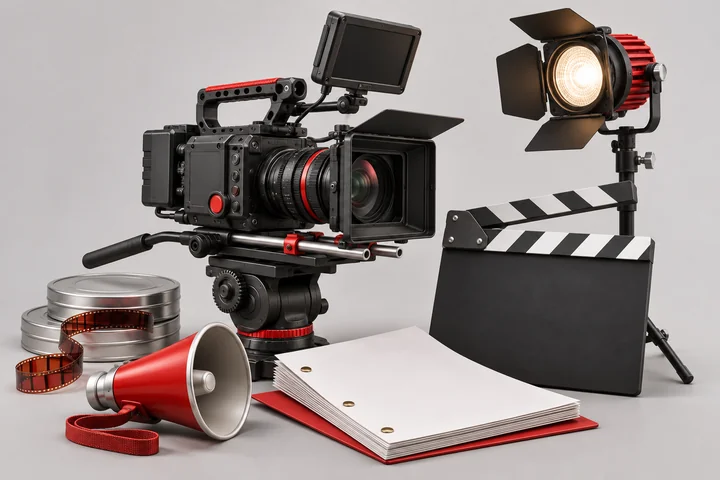
Certificate Programs
Film Making connects Story development and scripting with Shot planning and production roles. Build subject knowledge through guided tasks and work towards a short film and a production plan.
Explore the programLET’S BUILD YOUR LEARNING PLAN
Tell us the audience, learning priorities, batch size and preferred dates. Let’s shape the next step together.
ENQUIRE WITH SIEGER ACADEMY
Share your institution, learner profile, training priorities and preferred dates. We’ll discuss a programme that fits your students and academic calendar.
Enquiries are handled through our Academy form. Privacy information