
Start with the learner and the intended next step
A school confidence session, a final-year placement batch and a faculty programme should not begin with the same assumptions. Sieger Academy plans the discussion around the learner group, current readiness, language comfort, subject background and available time. The useful question is what learners should be better able to do afterwards: explain an idea, solve a problem, present evidence, collaborate or apply a new facilitation method.
- Describe the audience and the situation they are preparing for.
- Identify a small set of priorities rather than an unlimited topic list.
- Agree the practical output or evidence the programme should produce.
- Fit the scope to the time, facilities and support available.
Connect corporate perspective with academic development
Sieger Academy is a unit of Sieger Training India. The wider Sieger Group works in corporate and experiential learning, providing a useful perspective on communication, collaboration, leadership and professional behaviour. In an academic programme, that perspective becomes a realistic task, a clear example or a discussion about workplace expectations. The aim is to make the learning understandable and relevant to the students in front of the facilitator.
- Use project updates, handovers and customer situations to practise communication.
- Connect teamwork exercises with decisions, roles and accountability.
- Discuss how a beginner can ask useful questions and act on feedback.
- Match career preparation to the responsibilities in the actual role.
Give students something to practise
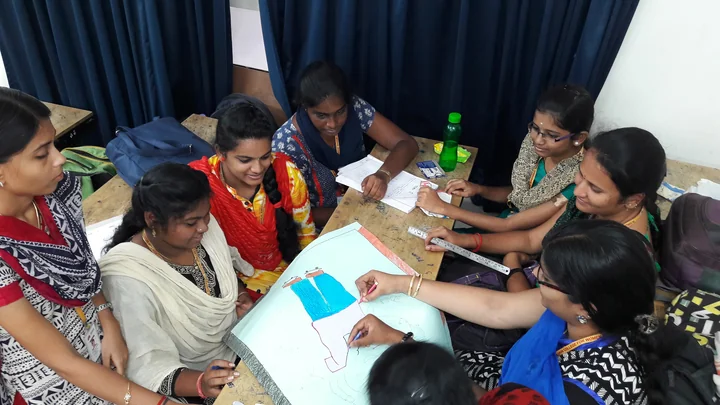
A presentation can introduce an idea, but learners also need an opportunity to try it. A communication session might include a short explanation, peer listening and a revised attempt. A career session can produce an evidence story, a résumé improvement or a role-research sheet. A technical pathway can include a small practical task appropriate to the agreed facilities and supervision.
- Explain the task and the standard before asking for performance.
- Make participation manageable for the learner’s starting point.
- Use examples and demonstrations where useful.
- Build in a second attempt so feedback can become action.
Use feedback that identifies a next action
Useful feedback points to something observable. Instead of only saying “be more confident”, a facilitator can ask the student to lead with the main point, identify their own contribution or support a claim with an example. Students can then practise a specific change. The feedback and reporting approach should be agreed as part of the programme rather than assumed after delivery.
- Refer to an answer, action or output the learner can recognise.
- Separate a content gap from a delivery or interpretation issue.
- Choose a manageable improvement for the next attempt.
- Review the change through another task or practice conversation.
Support a connected preparation journey
Students can move between the Placement Resources library, guided practice and the online aptitude portal. The resource guides cover applications, interviews, group discussions, communication, etiquette and workplace habits. The portal provides section-wise and mixed objective batches for approved accounts. Saved accounts retain marks and question history across visits, so a student can continue with fresh practice instead of starting their record again.
- Read a relevant guide and complete its practical task.
- Use a worksheet to organise evidence or record mistakes.
- Attempt a suitable assessment level and review available explanations.
- Choose the next topic using the feedback rather than only the total score.
Plan facilitation and delivery clearly
Different subjects and audiences require different experience. The institution can discuss the proposed facilitator’s relevant background, subject knowledge and suitability for the batch. The programme brief should also cover the delivery format, room or outdoor arrangements, required equipment, practical supervision, assessment and certificate scope where applicable. Clear planning helps everyone understand the engagement before the first session.
- Confirm the trainer brief and learner profile.
- Agree workshop, modular or longer-pathway requirements.
- Set the reporting and coordination responsibilities.
- Confirm practical resources and any specialist supervision.
Look at the programme as a learning process
A useful engagement includes preparation, participation and a plan for application. A placement cell may begin with a readiness review, select priority sessions and use follow-up practice to reinforce them. Faculty teams may test a facilitation idea, reflect with peers and identify a small change to try in teaching. The programme should connect those stages rather than treat the event itself as the only outcome.
- Before: understand the audience and agree priorities.
- During: practise, observe and give feedback.
- After: identify follow-up tasks and review needs.
- Keep expectations grounded in the agreed scope and the evidence available.
LEARNING IN PRACTICE
An illustrative communication sequence
A student first gives a one-minute project explanation. A peer identifies the problem, contribution and result they heard. The facilitator helps the student notice a missing link, such as the test used to check the work. The student gives a revised explanation. The value lies in the observable change and the next practice action, rather than a general instruction to “speak better”.
Your questions
Can a programme be designed for one department or year of study?
Yes. Share the learner profile, current preparation, intended roles, language comfort and available hours so the scope and examples can be discussed.
How can an institution understand the proposed trainer’s suitability?
Discuss the subject requirements and request the relevant facilitator profile during planning. The agreed proposal should confirm the trainer brief and delivery responsibilities.
What evidence can be used to review learning?
Depending on the programme, this may include a practical output, presentation, reflection, project evidence, observation or objective assessment. The criteria and reporting format should be agreed before delivery.
Where can students continue practising?
The public Placement Resources library contains guides and editable worksheets. Approved student accounts can use tests published for their college in the online portal.