A unit of Sieger Training Indiainfo@siegergroups.com

College Students

Career Planning & Guidance

Help students make informed choices about their next step. This programme connects personal interests and strengths with role research, further-learning options and a practical plan for exploring careers before committing to a direction.

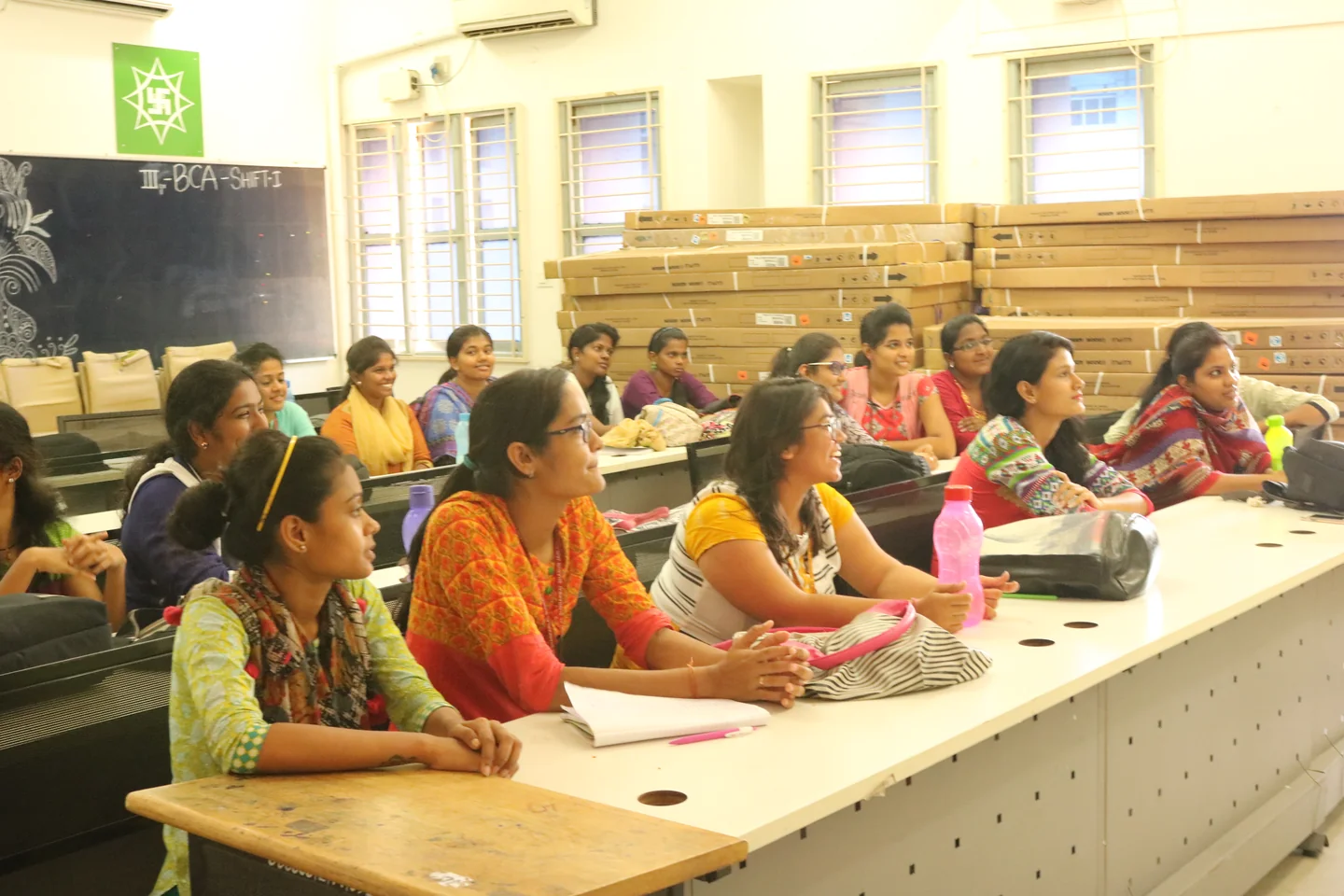
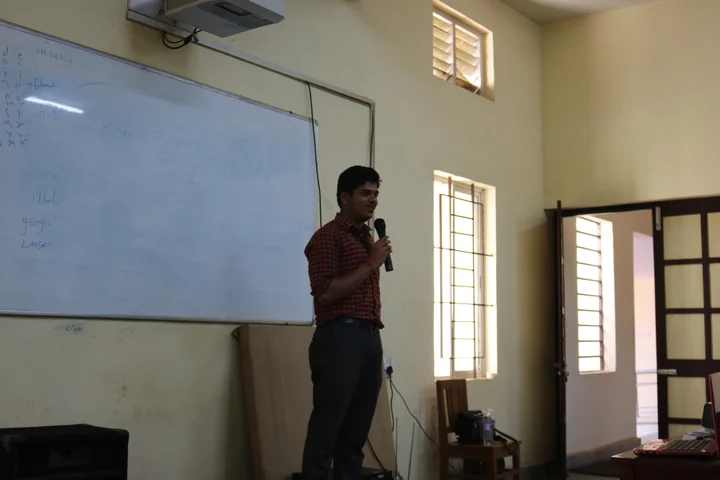
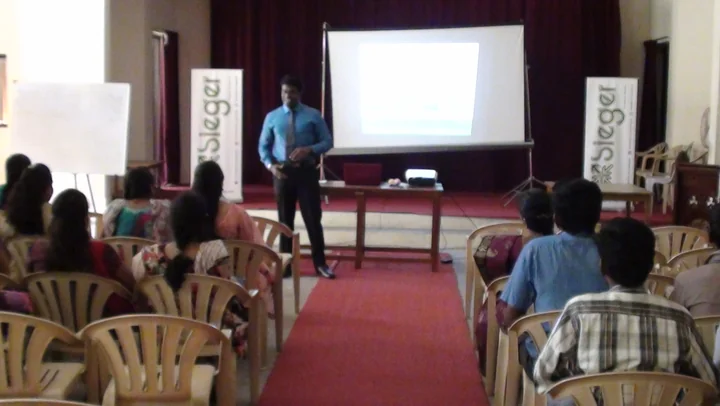
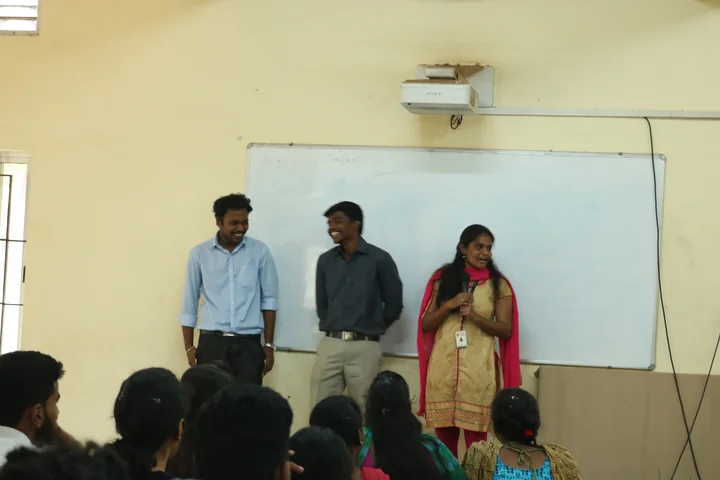
Classroom learning and student participation

LEARNING FOCUS

A structured starting point.

Career Planning & Guidance connects core concepts with guided application. The outline below is a discussion framework; the final syllabus is agreed for your learners.

Interests, strengths and work preferences

Reflect on subjects, activities and responsibilities that hold the student’s attention. Use examples of actual work and feedback to distinguish an interest from a demonstrated strength, and identify capabilities that still need practice.

Exploring roles and career pathways

Investigate the tasks, working conditions and entry routes associated with different roles. Compare employer descriptions, sector resources and further-study information instead of relying only on job titles, popularity or salary headlines.

Comparing options and making decisions

Create a shortlist using explicit criteria such as interest, requirements, costs, learning time and practical constraints. Identify assumptions and unanswered questions, then explain why an option is worth exploring rather than treating one choice as permanently fixed.

Mapping skills and learning priorities

Compare the requirements of a shortlisted role with current knowledge and project evidence. Separate essential entry requirements from useful additional skills, and choose development actions that match the student’s present stage.

Learning through projects and career conversations

Plan a small project, an approved internship search or an informational conversation that tests an assumption about a role. Prepare respectful questions, use appropriate institutional channels and record what was learned without assuming access to an employer is guaranteed.

Building a realistic career action plan

Turn the research into a sequence of manageable steps with dates, evidence and a review point. Include an alternative pathway and explain how new experience or feedback could change the plan.

PRACTICE & FEEDBACK

Give learning something to show.

A personal career roadmap containing a role comparison, skills-gap review, career-exploration activity and a 90-day action plan.

Learning outcomes

  • Describe interests and strengths using specific examples
  • Compare career options using researched tasks and entry requirements
  • Identify development priorities and an appropriate exploration activity
  • Create a realistic action plan with milestones and a review point

GETTING STARTED

Prepare for practical learning.

Prerequisites & resources

No previous employment experience is required. Students can bring an academic project, a list of interests and any career questions they want to investigate. Activities can be adapted for different disciplines and years of study.

Assessment approach

Review the quality of role research, the reasoning behind the comparison, the evidence used in the skills-gap review and the feasibility of the action plan. The programme supports informed exploration; it does not assign a guaranteed career outcome or replace specialist individual counselling.

The institution and trainer agree the final rubric, attendance requirement and feedback format before delivery.

FOR YOUR INSTITUTION

Agree the details before the first session.

Audience

College students exploring career directions, internships, further study or their first professional role.

Format & duration

Workshop, modular course or institutional pathway. Hours and batch structure are agreed after the needs discussion.

Scope & facilities

Confirm prerequisites, trainer availability, venue, equipment and any specialist supervision needed for practical work.

Assessment & certification

Agree attendance, practical tasks, feedback and certificate terms in writing before delivery.

YOUR QUESTIONS

Before you plan your program.

Who is the Career Planning & Guidance program for?

College students exploring career directions, internships, further study or their first professional role.

What topics does this program cover?

Interests, strengths and work preferences, Exploring roles and career pathways, Comparing options and making decisions, Mapping skills and learning priorities, Learning through projects and career conversations, Building a realistic career action plan.

What will learners create?

A personal career roadmap containing a role comparison, skills-gap review, career-exploration activity and a 90-day action plan.

What prior knowledge or tools are needed?

No previous employment experience is required. Students can bring an academic project, a list of interests and any career questions they want to investigate. Activities can be adapted for different disciplines and years of study.

How is the program delivered?

Discuss a workshop, a modular course or a longer institutional pathway. The delivery mode, hours and trainer availability are confirmed in your proposal.

How is learning assessed?

Review the quality of role research, the reasoning behind the comparison, the evidence used in the skills-gap review and the feasibility of the action plan. The programme supports informed exploration; it does not assign a guaranteed career outcome or replace specialist individual counselling.

Can the content be adapted to our institution?

Yes. Share the batch profile, current skill level, language preferences and learning objectives so the proposed activities and examples can be adapted.

What facilities are needed?

Requirements depend on the final learning plan. Confirm room layout, display and audio equipment, devices, software, workshop space or outdoor arrangements before booking.

Is a certificate provided?

Certificate availability, the issuing organisation, attendance requirement and assessment criteria must be confirmed in the proposal. No external accreditation or professional licence is implied.

How do we request a proposal?

Email info@siegergroups.com with your institution name, career planning & guidance requirement, learner profile, batch size, preferred dates and location.

LET’S BUILD YOUR LEARNING PLAN

A program that fits your institution.

Tell us the audience, learning priorities, batch size and preferred dates. Let’s shape the next step together.

Request a program proposal

ENQUIRE WITH SIEGER ACADEMY

Let’s plan your next learning program.

Share your institution, learner profile, training priorities and preferred dates. We’ll discuss a programme that fits your students and academic calendar.

Enquiries are handled through our Academy form. Privacy information